
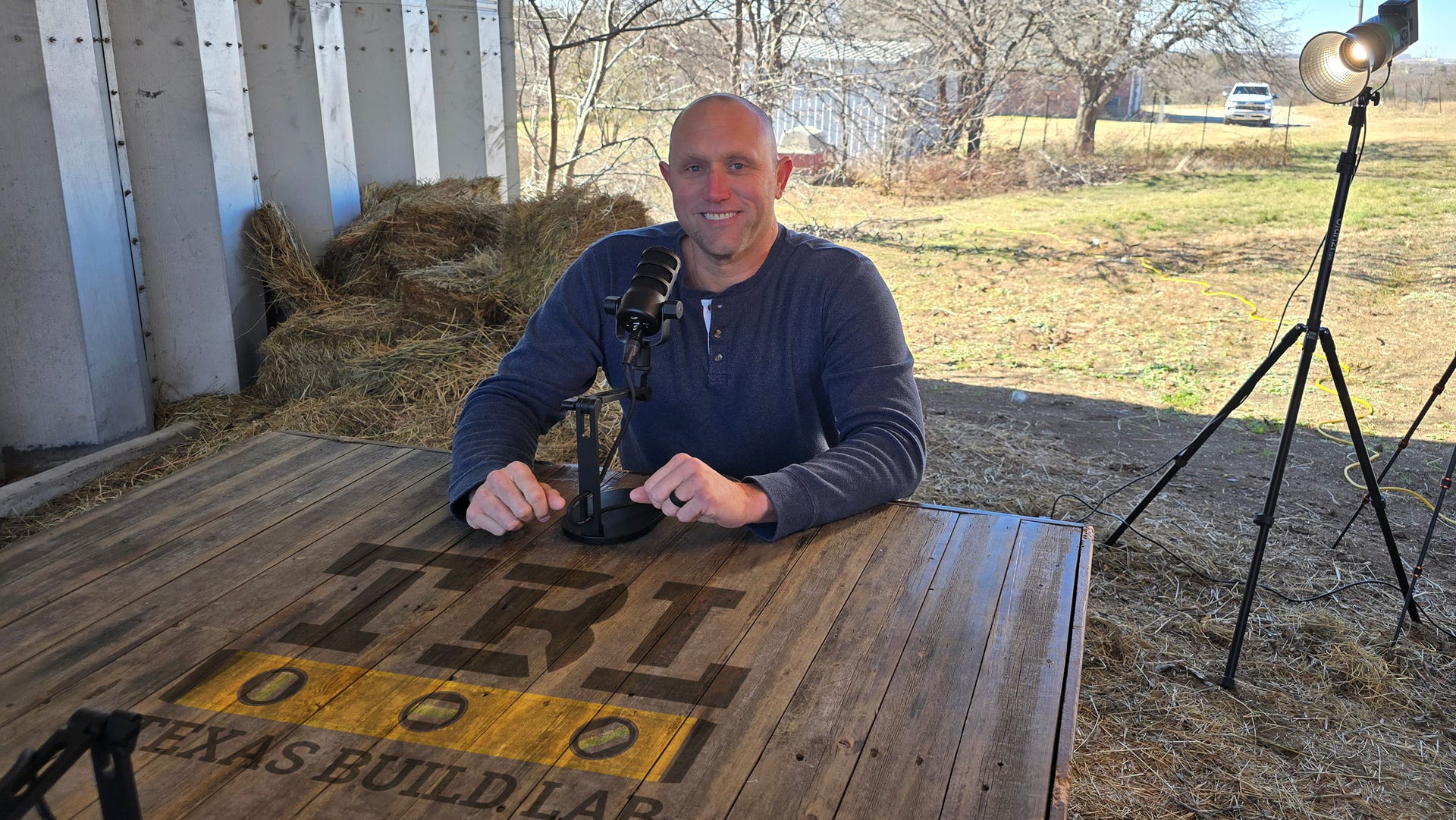
Most construction problems don’t start where people think they do.
They don’t start in the concrete.
They don’t start in the framing.
They start in the ground.
And in Texas, that ground is working against you.
🎥 Watch the Episode
This episode is also available with additional breakdown and context here:
👉 Read the full write-up on stabiltechsoil.com
The Problem Most People Miss
Across Texas—especially through the Blackland Prairie—you’re dealing with some of the most expansive clay soils in the country.
These soils:
swell when wet
shrink when dry
and constantly move beneath the structure
As David Abbott explains early in the conversation, this isn’t a rare condition—it’s the baseline across large parts of the state.
And that movement is what creates the foundation issues people end up paying for later.
Why “Standard” Solutions Fall Short
Builders and engineers aren’t ignoring the problem—they’re just solving a different part of it.
You’ll typically see:
Post-tension foundations
Pier and beam systems
These approaches are designed to manage movement.
But they don’t stop it.
As discussed in the episode, post-tensioning helps hold the slab together, and piers help distribute load—but neither one changes the behavior of the soil itself.
So the ground keeps moving.
And eventually, the structure reflects it.
A Different Way to Think About It
Instead of designing around unstable soil, what if you addressed the soil directly?
That’s where soil stabilization comes in.
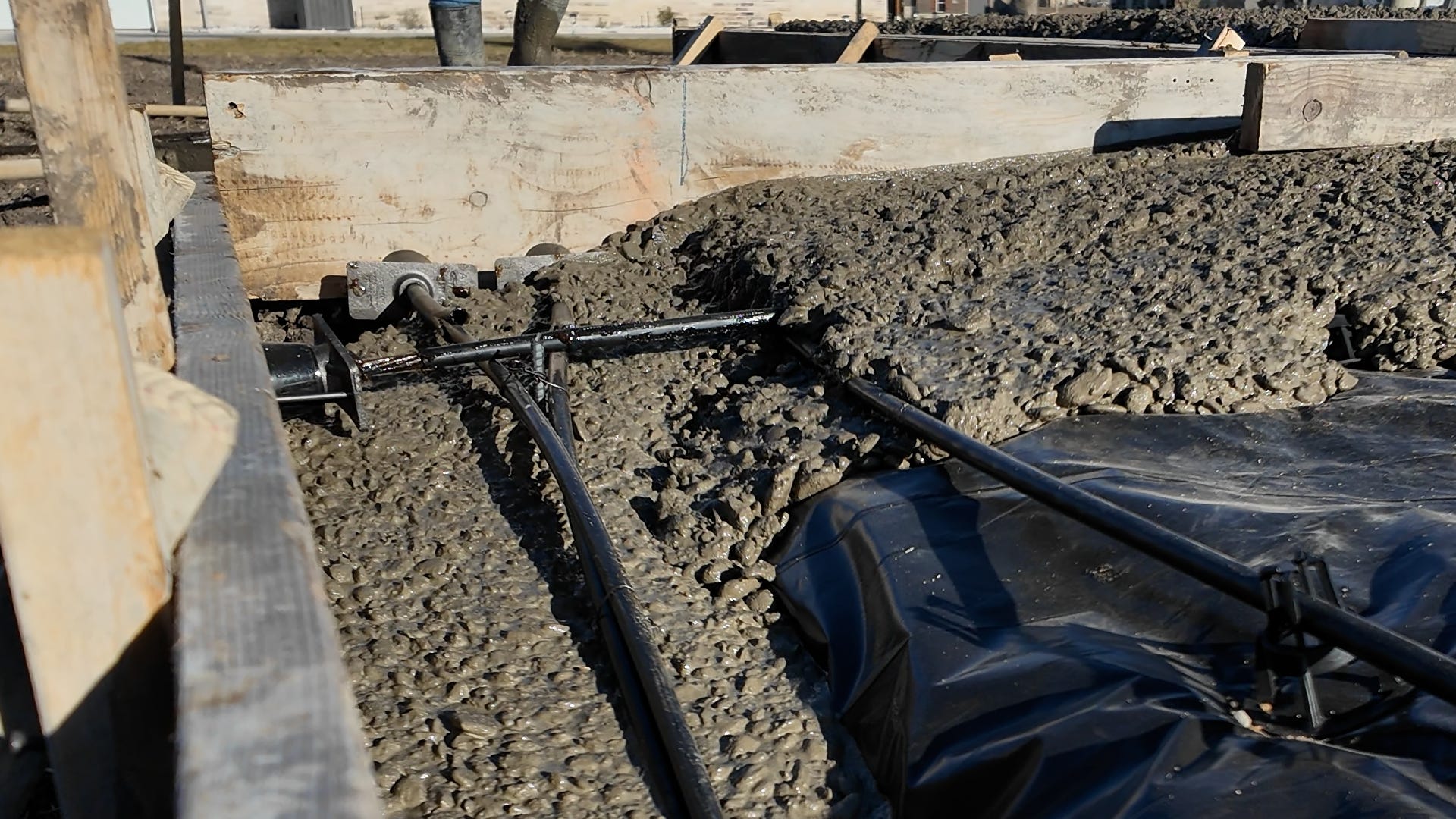
Before any foundation work begins, material can be injected into the ground to change how that soil behaves—reducing or eliminating the swell-shrink cycle that causes long-term issues.
David frames it simply:
it’s the cheapest insurance policy you can get for your home
And when you compare that to:
major foundation repairs
invasive fixes
long-term structural risk
…it’s not a small shift in thinking—it’s a completely different approach.
The Cost of Waiting
One of the more practical points in this conversation is timing.
By the time most homeowners deal with foundation problems:
the issue is already advanced
repairs are expensive
and solutions often only address part of the structure
In contrast, stabilizing soil before the pour:
protects the entire footprint
including areas that are difficult or impossible to access later
That’s a fundamentally different position—proactive vs reactive.
Foundation Isn’t Just Structural
One of the more interesting turns in this episode is how the conversation shifts from physical foundations to leadership.
David talks about guiding people instead of controlling them—building strong teams the same way you build strong structures:
start with the right foundation, and everything else follows
It’s a simple idea, but it shows up everywhere:
construction
business
leadership
If the base is wrong, everything built on top of it is at risk.
Closing Thought
If you’re building in Texas, the question isn’t if the soil will move.
It’s how much—and whether you’ve accounted for it.
Because most of the time, the real problem isn’t what you can see.
It’s what’s happening underneath.
If you’re planning a build, evaluating a property, or starting to see early signs of movement, it’s worth understanding what’s happening beneath the surface before it becomes a larger problem.
👉 Start with a soil evaluation or learn more at stabiltechsoil.com