
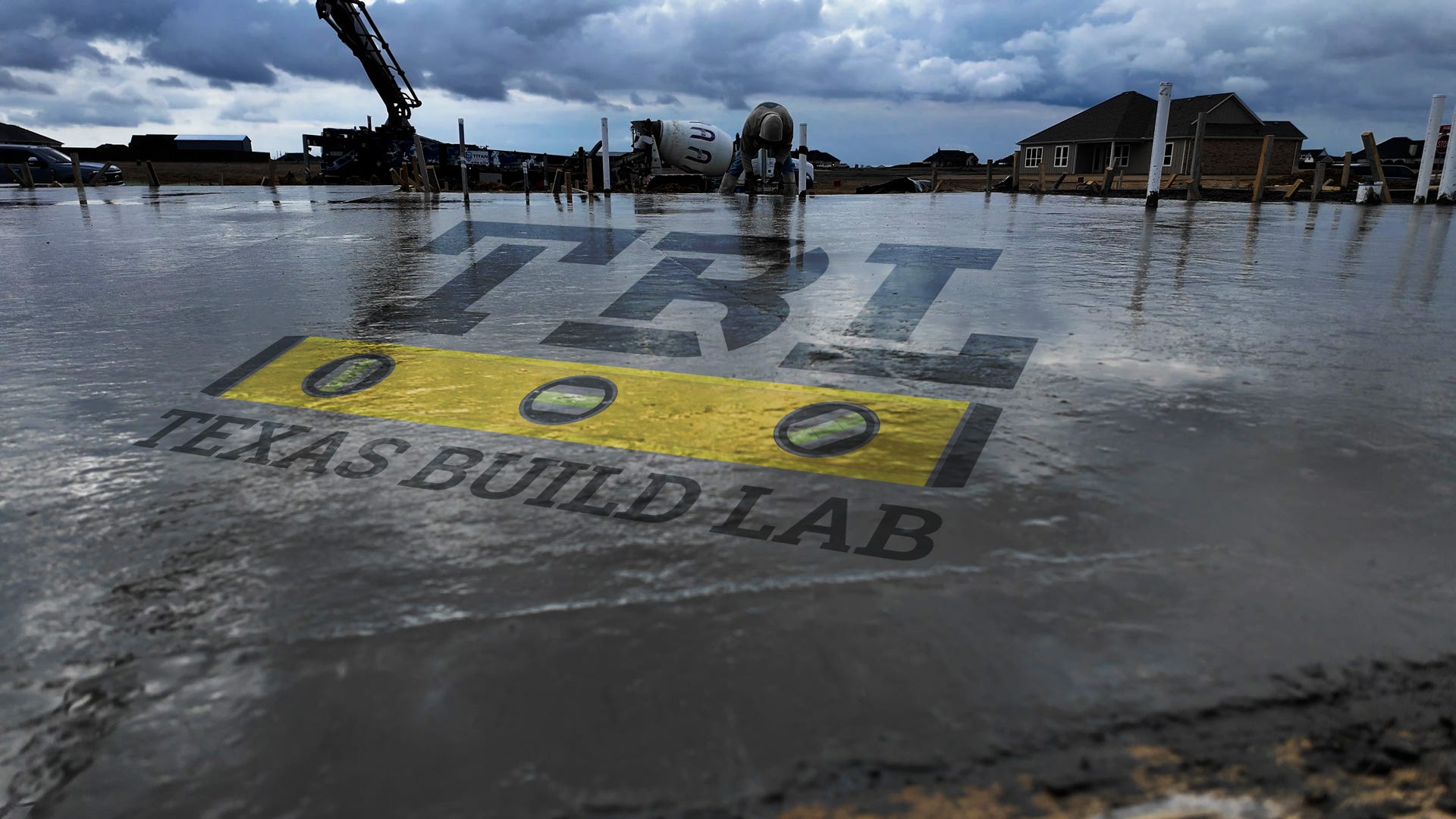
In Texas, a foundation is only as strong as the science behind the pour.
Most homeowners see a fleet of concrete trucks and assume the hard part is over, but for experts like Victor Luciano, the real work is managing the “slump”—the precise consistency of the mix that determines if a slab will stand for decades or crack before the frame is even up.
When you’re dealing with 100 yards of concrete on top of the most volatile clay in the country, there is zero margin for error.
🎥 Watch the Episode
This episode is also available with additional breakdown and context here:
👉 Read the full write-up on stabiltechsoil.com
1. The Slump Sabotage
The “slump” of your concrete isn’t just a technicality; it’s the DNA of your foundation’s strength. A “five slump” is the professional standard for a firm, structural mix. The problem arises when crews add extra water to make the concrete easier to spread. While it saves labor in the short term, that extra water “splits” the mix, diluting the PSI and creating a porous, weak slab that is destined to fail under the hydraulic pressure of Texas clay.
2. The 100-Degree Clock
In the Blackland Prairie, the weather is often the enemy of a clean pour. At 100 degrees, concrete begins to hydrate—or “set”—almost instantly. If a crew isn’t fast enough or doesn’t adjust the mix with retarders, the concrete “gets away” from them. You end up with “cold joints” and uneven surfaces that compromise the structural integrity of the entire home before the first brick is laid.
3. The Post-Tension Delusion
Many builders rely on post-tension cables as a “catch-all” for stability. While these steel cables are vital, they aren’t magic. They require a specific curing window of three to five days before they can even be stressed. If you stress them too early, you crush the green concrete; if you rely on them to “hold” a foundation built on moving soil, you’re asking a piece of steel to do a job that chemistry should have handled first.
4. The $60,000 Oversight
The cost of “doing it later” in the foundation world is catastrophic. A standard foundation repair for a home that has shifted due to poor soil prep can easily exceed $60,000. Treating the soil with STX90 ionic stabilization is a fraction of that cost. It is the only “insurance policy” that addresses the root cause of the movement rather than just putting a mechanical band-aid on a chemical problem.
5. Ground Truth: Chemistry Over Concrete
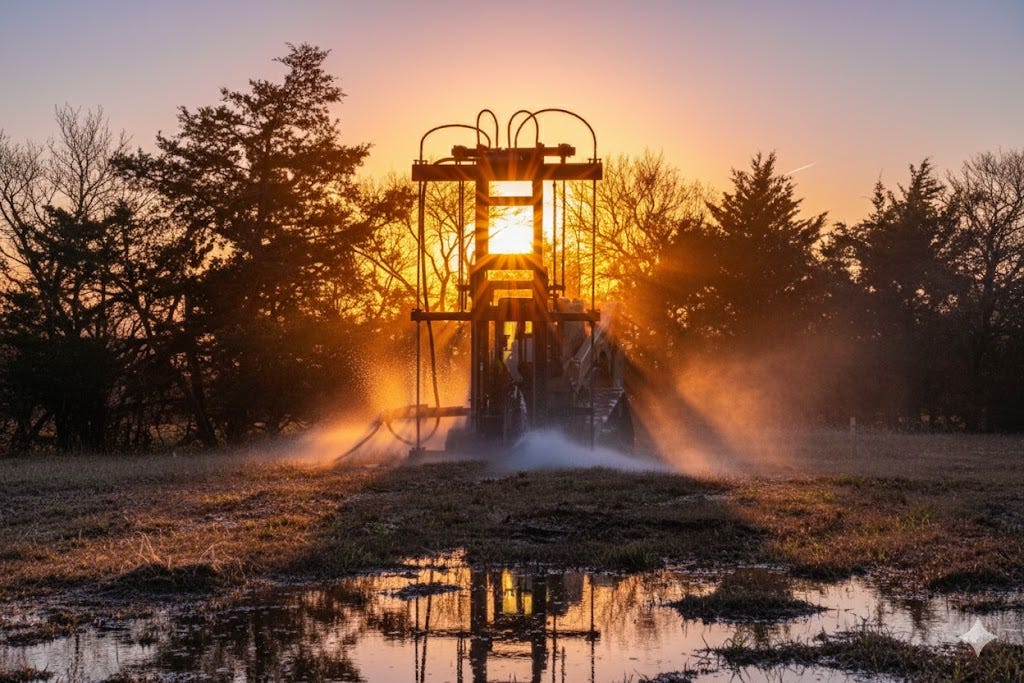
You can pour the most expensive, high-PSI concrete mix in the world, but if the ground beneath it isn’t “right,” that slab is going to move. High-plasticity CH clays expand with such force that they can lift entire homes. Unless you change the molecular polarity of that clay to stop the swell-shrink cycle, you are essentially building on a slow-motion earthquake.
6. Pride in the “Grind”
Construction is an industry of pride and repetition. As Victor Luciano points out, it takes a year for a man to truly learn how to “walk” a trial machine or screen a board. That level of craftsmanship—the refusal to take shortcuts on slump or soil prep—is what separates a “safe nest” from a liability.
If you’re planning a build, evaluating a property, or starting to see early signs of movement, it’s worth understanding what’s happening beneath the surface before it becomes a larger problem.
👉 Start with a soil evaluation or learn more at stabiltechsoil.com